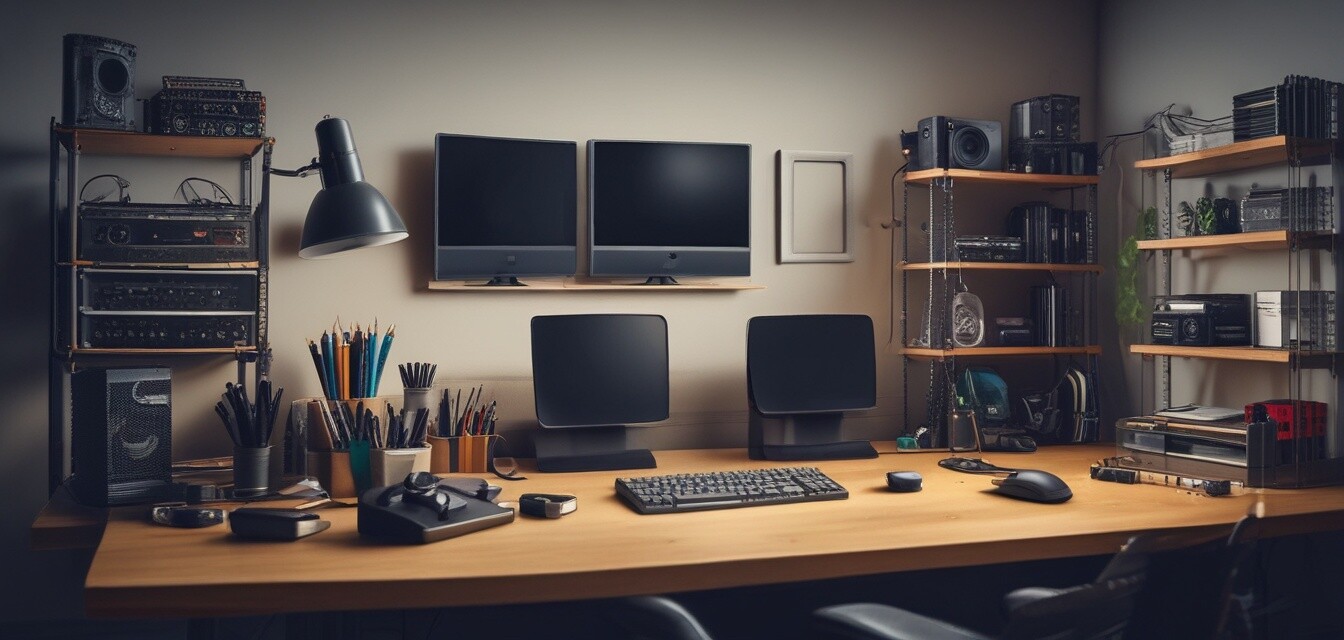
Creating the Perfect Cable Management Plan for Your Home Office
Key Takeaways
- Start with a clutter assessment of your current cable situation.
- Select suitable organizers like cable clips, sleeves, and trays that fit your space.
- Utilize a cable routing strategy for optimal workflow and accessibility.
- Implement maintenance routines to keep your workspace tidy and efficient.
- Explore advanced cable management tools for enhanced organization.
In today's remote work environment, a well-organized home office is crucial not just for aesthetics but for productivity. A chaotic tangle of cables can disrupt your workflow and increase stress levels. In this guide, we’ll walk you through creating an effective cable management plan that seamlessly fits your needs.
Why Cable Management Matters
Cable management is an essential aspect of a tidy workspace. With the increasing number of devices we use daily, managing cables has become more important than ever. Below are some reasons why a good cable management plan is key to an efficient home office:
- Enhanced Productivity: A clear workspace promotes focus and efficiency.
- Safety: Prevents tripping hazards caused by loose cables.
- Aesthetic Appeal: A tidy workspace creates a professional image.
- Equipment Longevity: Proper management can prevent wear on the cables.
Step-by-Step Guide to Cable Management
1. Assess Your Current Situation
Before creating a plan, it's vital to understand your current setup. Follow these steps:
- Gather all your cables and devices into one area.
- Identify which cables are essential and which can be eliminated.
- Take note of the length and type of each cable.
2. Choose Your Organizers Wisely
There are numerous products available that cater to different needs. Here’s a breakdown of common cable organizers:
| Type of Organizer | Best For | Example Products |
|---|---|---|
| Cable Clips & Holders | Keeping cables in place on your desk | Cable Clips & Holders |
| Cable Sleeves & Covers | Bundling multiple cables together | Cable Sleeves & Covers |
| Cable Organizer Boxes | Hiding power strips and excess cables | Cable Organizer Boxes |
| Cable Ties & Straps | Grouping cables for streamlined storage | Cable Ties & Straps |
3. Develop a Cable Routing Strategy
Creating a cable routing strategy ensures minimal disruption to your workflow. Consider the following:
- Run cables along the back of your desk or wall to hide them from view.
- Use under-desk trays to neatly collect cables.
- Ensure easy access to charging ports and significant connections.
4. Install Your Solutions
Installation Tips
- Follow package instructions for each product closely.
- Take your time to find the best arrangement for your cables.
- Use labels to identify various cables for easy access.
5. Maintenance Practices
Maintaining your cable organization is essential. Here are some tips for upkeep:
- Regularly sort through your cables to prevent accumulation of unused ones.
- Check for wear and tear on cables, replacing them when necessary.
- Schedule a monthly overview of your home office to keep everything in check.
Advanced Cable Management Tools
For those looking to take their organization to the next level, consider more advanced cable management tools. This could include:
Pros
- Improves workspace aesthetics.
- Increases productivity through organization.
- Enhances safety by reducing hazards.
Cons
- Initial setup might require time and effort.
- Costs associated with purchasing organizers.
The Bottom Line
Investing in a solid cable management plan can profoundly affect your home office setup. By systematically assessing your needs and implementing effective organizers, not only will you improve your productivity, but you will also cultivate a workspace that inspires creativity and efficiency.
For more practical advice on maintaining a clutter-free workspace, check out our Practical Tips category.