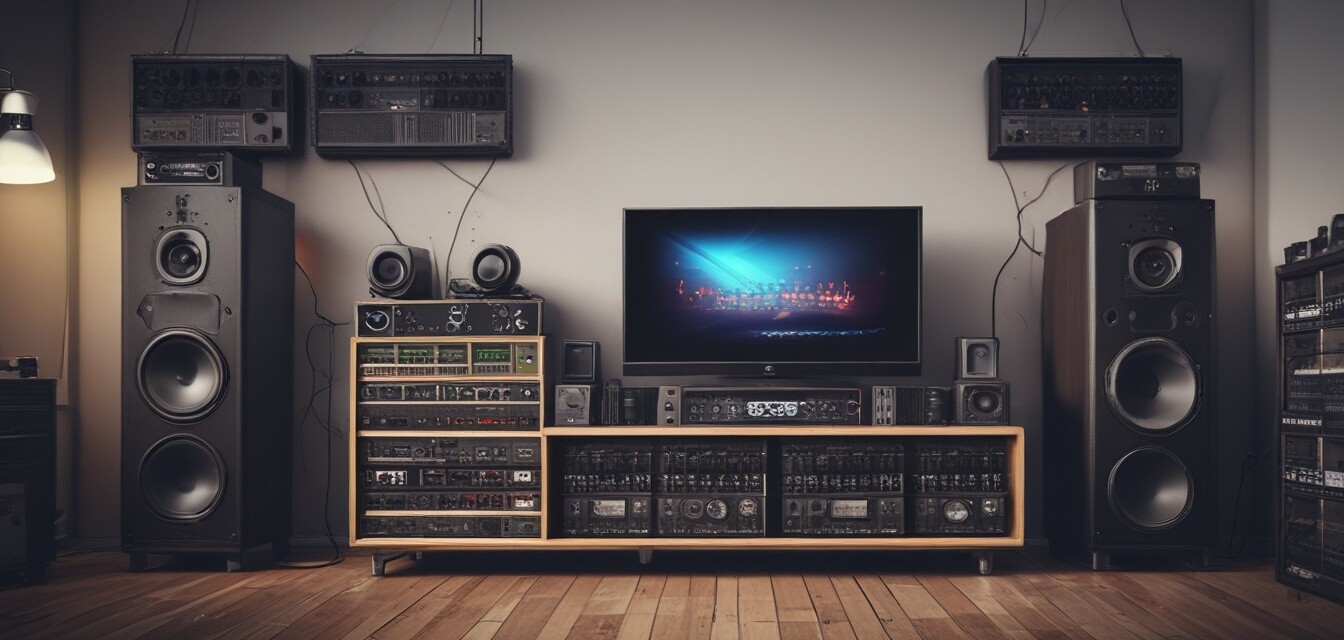
Organizing Your Sound System: Cable Management Techniques
In the world of audio and sound, cluttered cables can lead to confusion, compromised sound quality, and a less enjoyable experience. With remote work and home entertainment systems becoming central to our lives, it’s crucial to establish effective cable management for your sound systems. This article presents practical techniques to keep your audio cables organized, making for a cleaner, more efficient setup.
- Understanding the importance of cable organization for both home and professional sound systems.
- Implementing various cable management techniques tailored for audio equipment.
- Finding the right tools and accessories to maintain a tidy workspace.
Why Cable Management Matters for Sound Systems
In both home and professional settings, a well-organized sound system enhances functionality, aesthetics, and safety. Messy cables can lead to:
- Reduced accessibility: Struggling to find the correct cable impedes workflow and enjoyment.
- Poor sound quality: Tangled or damaged cables can affect audio performance.
- Safety hazards: Loose cables can be tripping hazards or cause equipment damage.
Essential Tools for Cable Management
Before diving into the organization techniques, it’s vital to gather the right tools:
| Tool | Function |
|---|---|
| Cable clips | Secure cables to surfaces, preventing them from tangling. |
| Cable sleeves | Group multiple cables together for a cleaner look. |
| Cable ties | Bundle cables neatly, which helps in storage and transport. |
| Labeling system | Helps identify cables quickly, minimizing confusion. |
| Cable organizer boxes | Conceals excess cables while keeping them accessible. |
Effective Techniques for Organizing Audio Cables
Once you have your tools ready, consider these reliable techniques to organize your audio cables systematically:
1. Categorize and Label Cables
Start by sorting your cables based on equipment type—like speakers, microphones, and amplifiers. Use a labeling system for each cable, making it easier to know where everything connects. This step saves time and reduces frustration.
2. Use Cable Clips for Surface Management
Installing cable clips along desks and walls can help keep cables off the floor and organized. This technique is particularly effective in preventing tangles and creating a more visually appealing setup.
3. Employ Cable Sleeves for Grouping
Cable sleeves can gather multiple cables into one neat bunch, reducing visual clutter significantly. Opt for sleeves that match your decor to enhance the overall aesthetic of your sound system space.
4. Implement Cable Ties for Neat Bundling
For cables that don’t require frequent disconnection, cable ties are perfect for keeping them bundled. Be gentle when using them to avoid damaging cables.
5. Designate an Organizer Box
Cable organizer boxes are great for storing excess length and connections. By using a dedicated space to hide away any clutter, you keep everything easily accessible while maintaining a clean look.
Advanced Cable Management Solutions
If you're looking to take your cable organization to the next level, consider these advanced solutions:
- Under-Desk Cable Trays: Install these trays under your desk to keep cables off the floor while ensuring they're easily attainable.
- Wall Cable Channels: These channels can be mounted to walls, creating a hidden pathway for your cables without taking away from your design.
- Weighted Cable Holders: These help secure cords in place, mitigating movement and tangling.
Maintaining Your Organized Setup
Maintaining an organized sound system is just as crucial as the initial setup. Here are a few tips to keep everything under control:
Tips for Long-term Cable Management
- Regularly inspect cables for wear and tear to avoid potential issues.
- Keep your workspace clean by dusting and rearranging cables as needed.
- Update labels when adding or removing equipment.
Conclusion
Organizing your sound system through effective cable management techniques is essential, whether you're a casual listener or a professional audio engineer. It promotes not only a more efficient workspace but also enhances the overall audio experience. By leveraging the right tools and implementing these strategies, you'll create an inviting and productive sound environment. For more practical tips on maintaining a clutter-free workspace, check out our Practical Tips category.