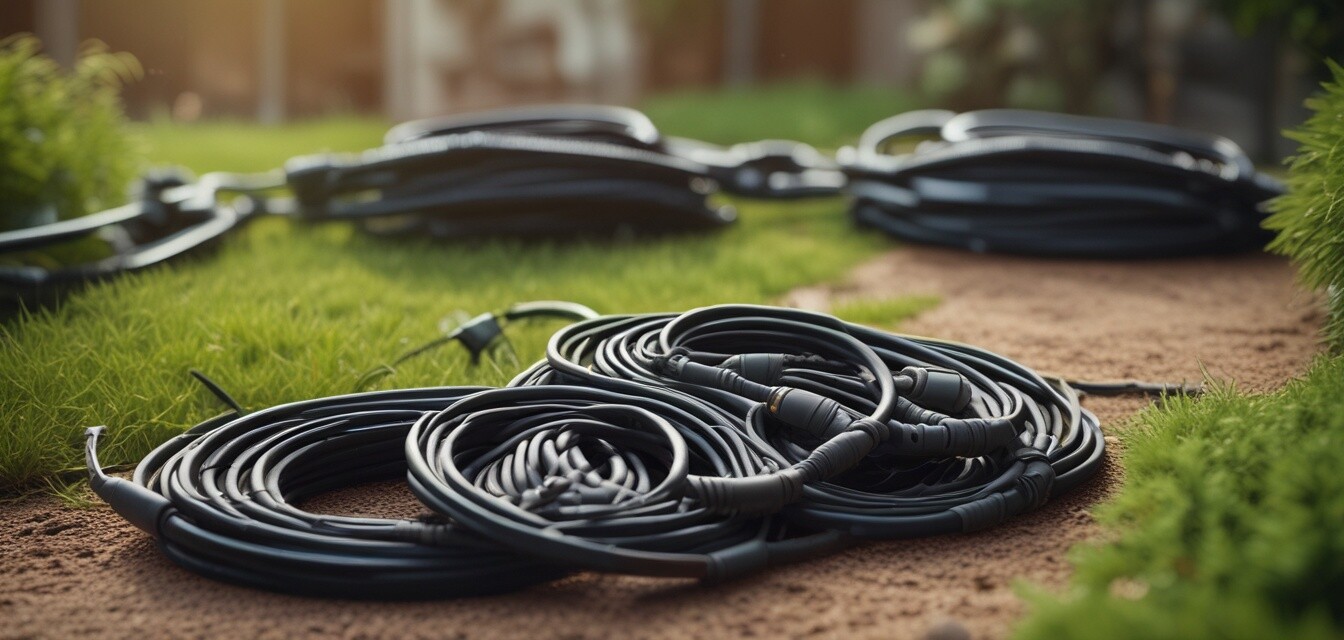
Organizing Outdoor Extension Cords Safely
Key Takeaways
- Safety comes first: Always disconnect outdoor extension cords when not in use.
- Proper storage prevents damage and tangling of cords.
- Use cable organizers for efficient management of multiple extension cords.
- Regularly inspect cords for wear and tear to ensure safety.
- Utilize wall cable channels or hooks to keep cords off the ground.
Managing outdoor extension cords efficiently not only enhances the safety of your home or garden but also prolongs the life of your equipment. With the increasing reliance on outdoor power sources for various activities, learning how to effectively organize and store these cords is essential. In this guide, we will cover safety tips and proven organization methods for managing your outdoor extension cords with ease.
Why Organizing Outdoor Extension Cords Matters
Outdoor extension cords are typically heavier and more robust than indoor varieties. Mismanagement can lead to various issues, ranging from electrical hazards to physical safety hazards like tripping. Here’s why you should prioritize organization:
- Minimizes the risk of electrical hazards.
- Reduces wear and tear on cables, ensuring longevity.
- Enhances accessibility for outdoor projects.
- Improves the overall aesthetics of your outdoor spaces.
Essential Safety Tips
Safety should always be your top priority when working with outdoor extension cords. Follow these tips to ensure safe usage:
- Disconnect when not in use: Always unplug your outdoor cords to prevent shocks and accidental damage.
- Inspect regularly: Check cords for fraying, cuts, or exposed wires before each use.
- Use a GFCI: Install ground fault circuit interrupters (GFCI) to protect against electrical shock.
- Avoid overloading: Know the capacity of your extension cord and never exceed its wattage limit.
- Keep away from water: Ensure cords are positioned where they won’t come into contact with moisture.
Organization Methods for Outdoor Cords
Here are some effective organization methods to manage your outdoor extension cords:
1. Use Cable Organizer Boxes
Cable organizer boxes can help keep cords untangled and protected from the elements. Storing your extension cords in a dedicated box makes them easy to access while maintaining a neat appearance.
2. Hang Cords on Hooks
Install hooks on a garage wall or a shed to hang your cords. This approach keeps them off the ground and extends their lifespan by reducing damage caused by dragging or crushing.
3. Wall Cable Channels
Using wall cable channels helps to route and conceal wires along walls, guiding them to where they need to go while keeping them tidy. This method is particularly useful if your cords run from your house to outdoor features.
4. Adjustable Cable Ties
Adjustable cable ties allow you to bundle multiple cords together, reducing clutter and making it clear which cord goes where.
5. Weighted Cable Holders
Weighted cable holders can keep cords secured to surfaces, preventing them from blowing away in the wind or tangling with other objects.
| Method | Pros | Cons |
|---|---|---|
| Cable Organizer Boxes | Protects from elements, keeps neat | May take up additional space |
| Hooks | Easy access, space-saving | Cords may hang low and tangle |
| Wall Cable Channels | Tidy appearance, protects cords | Requires installation |
| Adjustable Cable Ties | Customizable bundling | Might wear out over time |
| Weighted Cable Holders | Keeps cords in place | Limited capacity for multiple cords |
Additional Tips for Maintenance
Regular maintenance of your extension cords will extend their lifespan and ensure that they remain safe for use. Here are some maintenance tips:
- Clean cords regularly to remove dirt and debris.
- Store cords in a dry area to prevent mold and mildew.
- Check connections for rust or corrosion.
- Replace any damaged cords immediately.
Conclusion
Organizing your outdoor extension cords might seem like a minor task, but it plays a crucial role in ensuring safety and efficiency in your outdoor workspaces. By implementing these organization methods and safety tips, you create a safer environment for yourself and extend the life of your cords. Always prioritize safety and make organization a part of your routine to enjoy your outdoor projects to the fullest.
Pros
- Enhanced safety for outdoor electrical work.
- Improved accessibility to power sources.
- Longer life for extension cords.
- Cleaner and more organized outdoor spaces.
Cons
- May require initial investment in organizers.
- Some methods involve additional installation time.
- Requires regular maintenance checks.
To learn more about effective cable management techniques for your workspace, visit our Practical Tips category. For purchasing cable organizers, check our list of Cable Clips & Holders or explore Cable Organizer Boxes.