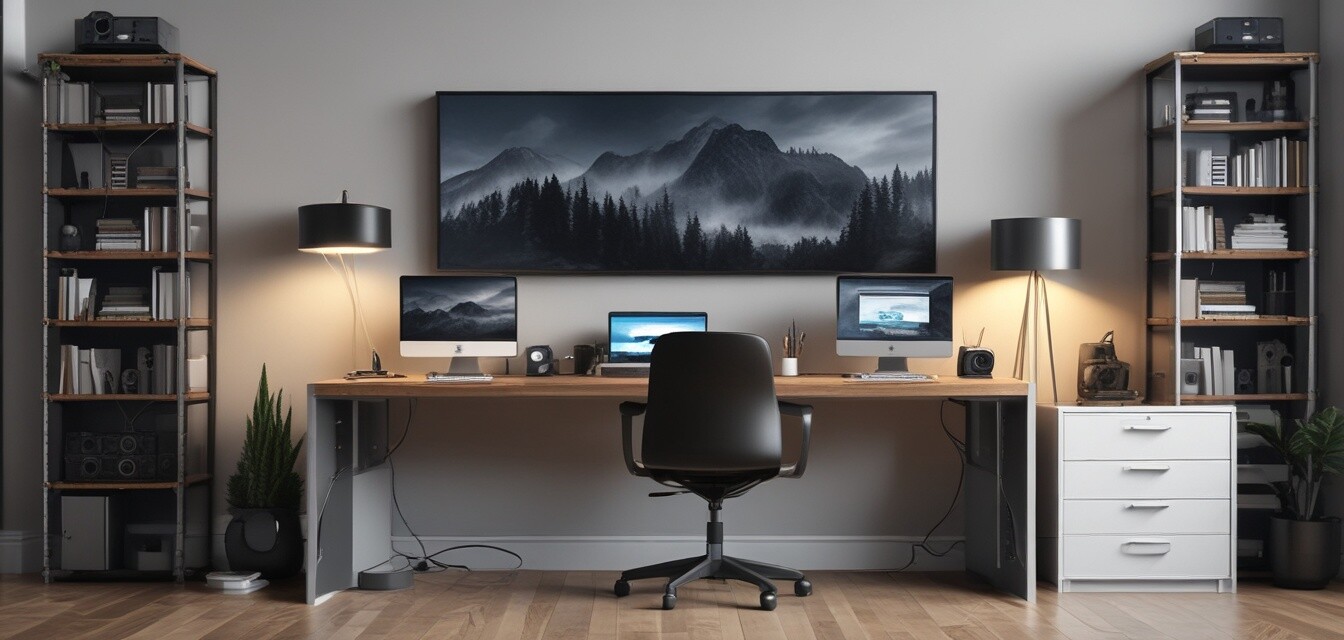
Smart Home Technology and Its Impact on Cable Needs
Key Takeaways
- Smart home technology is reshaping cable management needs.
- Increased device connectivity requires efficient organization methods.
- Understanding trends helps in choosing the right cable management solutions.
- Innovative products are available to tackle modern cable challenges.
As smart home technology continues to advance, the way we consider cable management is rapidly evolving. With more devices connecting to our networks, from smart speakers to security cameras, efficient cable organization has become essential. This article analyzes the growing impact of smart home technology on cable management requirements and explores emerging trends that every remote worker should consider.
The rise of smart home technology
The smart home revolution has redefined our daily interactions with technology, promoting greater convenience and connectivity. As we integrate smart devices into our homes, they bring with them distinct cable management challenges.
What constitutes a smart home?
A smart home typically includes devices such as:
- Smart speakers
- Smart TVs
- Smart security systems
- Smart lighting
- Smart thermostats
All these devices require power and connectivity, leading to an increase in cable clutter unless effective organizing strategies are implemented.
The changing landscape of cable management
As the number of connected devices rises, the demand for efficient cable management solutions grows. Below we explore various aspects of this changing landscape:
Increased device connectivity
With so many devices demanding connectivity, understanding how to manage your cables becomes crucial. Traditional cable management tricks may not be sufficient anymore.
Need for adaptable solutions
Home office setups must remain flexible. As more smart devices enter our lives, your cable management solutions should factor in potential future expansions.
Emerging cable organization products
The market now offers innovative solutions tailored to the demands of smart technology. Here are some examples:
| Product Type | Features | Benefits |
|---|---|---|
| Cable Clips | Hold cables in place | Reduces tangling and improves accessibility |
| Cable Sleeves | Group multiple cables together | Aesthetically pleasing and reduces visual clutter |
| Organizing Boxes | Enclose and hide cables | Keeps workspace neat and organized |
Trends influencing cable management in smart homes
Understanding the latest trends can help you make informed choices regarding your cable management. Here are some trends to keep an eye on:
- Minimalism: Striving for a clean and simple look encourages the adoption of hidden cable management solutions.
- Smart technology integrations: Products are increasingly designed to accommodate smart devices seamlessly.
- Sustainability: Eco-friendly materials are being utilized for cable management products to appeal to environmentally conscious consumers.
Shopping guidance for cable management solutions
To make informed purchases for your cable management needs, consider the following tips:
Practical Tips
- Assess the number of devices you are using and plan accordingly.
- Look for multi-functional products like cable organizers that can store multiple cables.
- Invest in adjustable solutions like under-desk trays that can be repositioned as necessary.
Best practices for maintaining cable organization
Once you have your cable management solutions in place, it’s important to maintain them for long-term effectiveness:
- Regularly check for wear and tear on cables to address issues promptly.
- Reassess your workspace periodically to accommodate new devices.
- Organize cables descending in height using cable clips for better accessibility.
Pros
- Enhanced workspace aesthetics.
- Improved productivity by reducing distractions.
- Easier access to devices.
Cons
- Initial set-up efforts can be time-consuming.
- Some products may be costly.
Conclusion
As smart home technology continues to evolve, so too must our strategies for cable management. By understanding the unique challenges presented by increased connectivity and taking advantage of innovative organization solutions, you can create a more efficient and aesthetically pleasing workspace. Strive to stay ahead of the curve by being informed about the latest trends in cable management, so your home office reflects both modern technology and efficient design.
Further reading
For more insights on effective cable organization, check out our related articles: