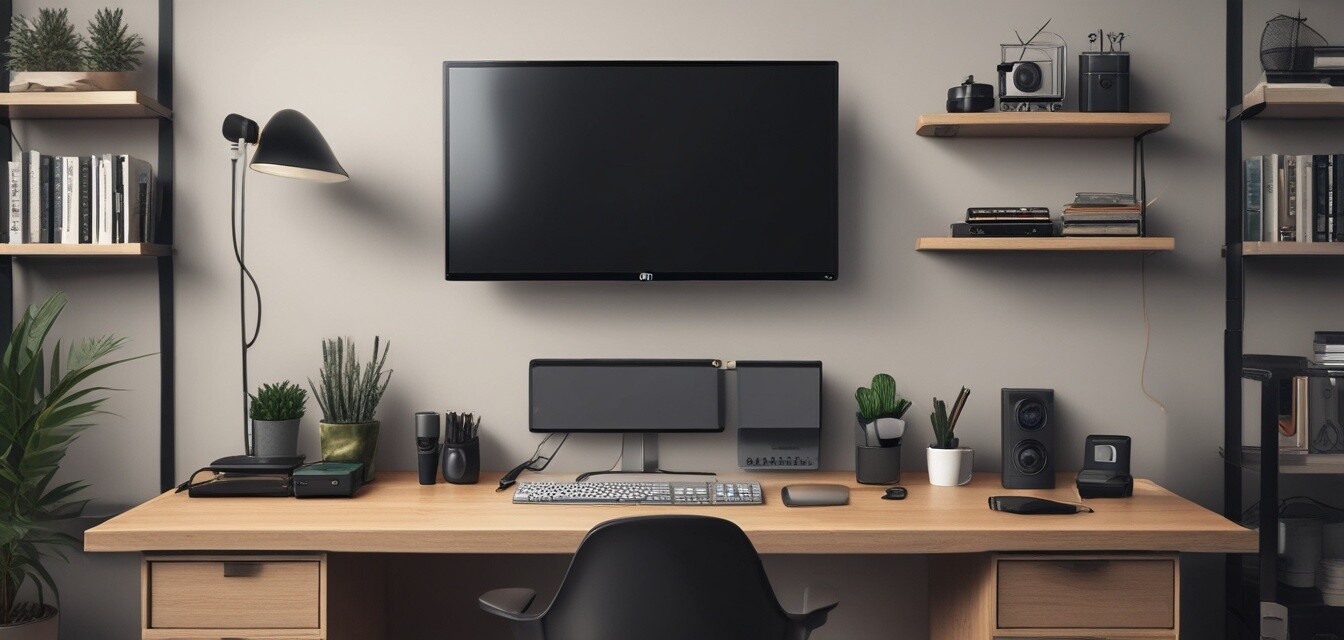
The Rise of Virtual Workspaces and Their Cable Management Challenges
- Virtual workspaces have transformed the home office landscape, creating unique cable management challenges.
- Effective cable organization enhances productivity and workplace safety.
- Various tools and solutions exist to combat cable clutter.
- Understanding current trends helps you adapt to maintaining an organized workspace.
As remote work continues to reshape how we think about our professional environments, the importance of effective cable management cannot be overstated. From the moment we log into our virtual meetings to the tasks we engage in throughout the day, our workspaces play an essential role in enhancing productivity. However, tangled cords and improperly managed cables can quickly become a distraction that hinders focus. In this article, we explore the evolution of virtual workspaces, highlighting the unique cable management challenges they present and practical strategies for overcoming them.
Understanding the Shift to Virtual Workspaces
With the ongoing evolution of technology and the adaptation of remote work culture, more individuals are creating their home office setups. Virtual workspaces not only enable flexibility in how we conduct our work, but they also introduce the challenge of managing increased electronic devices and connections. A well-organized environment promotes productivity, while a cluttered workspace can lead to frustration and unmet potential. This makes understanding cable management essential for those adapting to remote work.
Why is Cable Management Important?
Having an organized workspace has significant benefits, including:
- Increased productivity: Reducing distractions from clutter allows you to focus better on tasks.
- Improved safety: Preventing tripping hazards and avoiding damage to equipment keeps your workspace safe.
- Enhancement of aesthetics: A tidy workspace is visually appealing and encourages a positive work environment.
Challenges of Cable Management in Virtual Workspaces
As the number of devices keeps growing—laptops, monitors, chargers, and more—home offices face increasing cable management challenges. Below are some of the most common issues:
| Challenge | Description |
|---|---|
| Cable clutter | Excessive cords that intertwine and create an unsightly mess. |
| Accessibility | Difficulty in reaching outlets and connections due to unorganized cables. |
| Equipment damage | Unmanaged cables may lead to wear and tear on devices, posing risks of malfunction. |
| Safety concerns | Risks of tripping over cables or accidents involving malfunctioning devices. |
Common Cable Management Solutions
To tackle these challenges, there are numerous effective solutions available. Here’s a list of potential cable management tools:
- Cable clips and holders - Keep cords secure and in place.
- Cable sleeves and covers - Bundle multiple cables together for a cleaner look.
- Cable organizer boxes - Store and hide excess cords.
- Under-desk cable trays - Keep cables off the floor, providing accessibility and reducing clutter.
- Wall cable channels - Route cables along walls for better organization and aesthetics.
Trends in Cable Management for Home Offices
As the dynamics of remote work evolve, so do our approaches to cable management. Here are some of the notable trends:
| Trend | Description |
|---|---|
| Sustainable materials | Increasing use of eco-friendly products for cable management solutions. |
| Smart cable technology | Integration of smart features for better management and monitoring. |
| Modular designs | Flexible systems that adapt to different workspace layouts. |
| Minimalist aesthetics | Emphasis on sleek and simple designs that blend into modern office decor. |
How to Maintain a Clutter-Free Workspace
Keeping your workspace organized requires consistent effort and the right tools. Here are some tips to help you maintain a tidy workspace:
Tips for Beginners
- Regularly declutter cords and devices that are no longer in use.
- Label cords to easily identify each one.
- Implement a "one-in-one-out" rule when adding new technology.
- Schedule periodic reviews to reorganize and reassess your setup.
Conclusion
As virtual workspaces become more commonplace, effective cable management is crucial for ensuring productivity and mental well-being. By understanding the challenges presented by increased devices and implementing practical solutions, anyone can create a functional and aesthetically pleasing workspace. Staying informed about current trends and tools can help you adapt and maintain an organized environment, paving the way for a more productive work experience.
Pros
- Enhances productivity and focus.
- Promotes safety in the workspace.
- Encourages a positive work environment.
Cons
- Requires regular maintenance and updating of solutions.
- Initial investment can be costly.
- May require time to find the best solutions for individual needs.